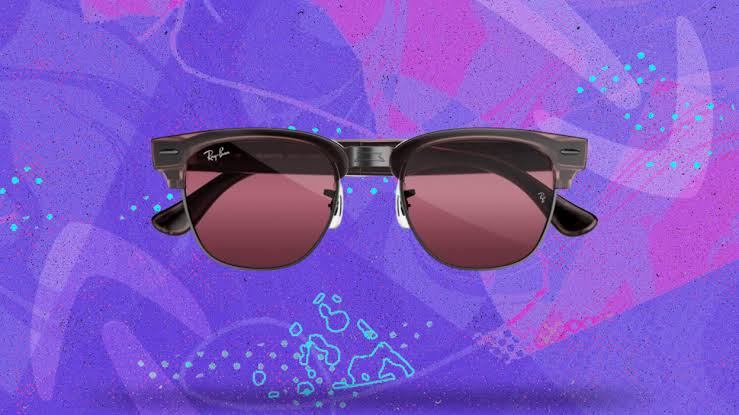
Meta Introduces Ray-Ban Meta Audio Glasses
Meta has introduced a new wearable product called Ray-Ban Meta Audio glasses, expanding its growing range of AI-powered smart glasses. The company announced the new glasses at Meta Connect 2026 on September 23, 2026.
Unlike earlier Ray-Ban Meta models that include a camera, the new Ray-Ban Meta Audio glasses are designed as audio-only AI glasses. Meta says removing the camera allows the glasses to focus on listening, calls, and hands-free AI while also offering longer battery life.
The new glasses combine the familiar Ray-Ban design with open-ear audio and Meta AI. Users can listen to music and podcasts, make calls and interact with an AI assistant without taking their phone out of their pocket.
Meta says the glasses weigh about 43 grams and can provide up to 12 hours of use on a single charge, with the included charging case providing up to another 48 hours of power.
The product is scheduled to ship from October 13, 2026, with pre-orders starting at $349 in the US.
What Are Ray-Ban Meta Audio Glasses?
Ray-Ban Meta Audio glasses are smart glasses built around audio and AI rather than photography.
Traditional smart glasses can include cameras, displays, or other hardware. Meta’s new model takes a different approach. It removes the camera and focuses on features that users can access through sound and voice.
The glasses can be used for:
- Listening to music
- Listening to podcasts
- Making phone calls
- Talking to Meta AI
- Sending voice messages
- Getting information through voice commands
- Using hands-free AI features
Ray-Ban’s product listing describes the glasses as its first audio-only AI glasses and says they use two open-ear speakers.
This design means users can hear audio while remaining aware of sounds around them, rather than having their ears covered by traditional earbuds.
Key Features of Ray-Ban Meta Audio
1. Open-Ear Audio
One of the main features is open-ear audio.
The glasses have built-in speakers positioned in the temples. Ray-Ban lists the product with two open-ear speakers.
This allows users to listen to music, podcasts, and other audio without wearing separate earbuds.
For people who regularly switch between headphones and glasses, combining both functions into one device could make everyday use simpler.
2. Meta AI Built Into the Glasses
The Ray-Ban Meta Audio glasses are not only an audio product. They also connect users with Meta AI.
Users can interact with the AI assistant using their voice. For example, Meta’s product page gives examples such as asking for outfit suggestions or asking the glasses to send a voice message.
This is part of Meta’s wider strategy to make AI available through wearable devices.
Instead of opening an app and typing a question, users can speak to the assistant while continuing with another activity.
Meta says AI glasses can already help with tasks such as getting sports scores, finding nearby restaurants, and translating live conversations.
3. Up to 12 Hours of Battery Life
Battery life is another important part of the new glasses.
Meta says Ray-Ban Meta Audio can provide up to 12 hours of use on a single charge. The included charging case can provide up to another 48 hours.
The actual battery life can vary depending on how the glasses are used.
Activities such as continuous music playback, frequent calls, and AI interactions can affect battery consumption. Therefore, the 12-hour figure should be understood as Meta’s stated maximum rather than a guaranteed amount for every user.
Still, the battery target is notable because smart glasses need to balance electronics, weight, and comfort in a small frame.
4. Lightweight Design
Meta says the Ray-Ban Meta Audio glasses weigh 43 grams.
The company has also designed the glasses with professional-adjustable temple tips, adjustable or swappable nose pads, and overextension hinges. These features are intended to improve comfort and fit.
Comfort is especially important for audio glasses because users may wear them for several hours.
The glasses also maintain Ray-Ban’s familiar eyewear approach instead of looking like a traditional pair of electronic headphones.
5. Two New Ray-Ban Styles
Ray-Ban Meta Audio is launching in two styles:
Clubmaster: A recognizable Ray-Ban design with a retro-inspired look.
Burbank: A classic rectangular frame designed for a more timeless appearance.
Meta says there are 23 color and lens combinations across the two styles. The glasses are also compatible with a wide range of optical prescriptions.
This gives users more choice than simply selecting a single technology-focused frame.
Ray-Ban’s official product listings also show different frame and lens combinations for the Burbank model.
6. Hands-Free Calls
Another major use case is phone calling.
Meta says the glasses can be used to take calls while capturing the user’s voice more clearly than earbuds.
Hands-free calling could be useful when someone is walking, commuting, cooking, or working and does not want to hold a phone.
Because the glasses are designed as an audio-first product, calls are one of the main reasons users may choose them over camera-equipped smart glasses.
Why Did Meta Remove the Camera?
The biggest difference between Ray-Ban Meta Audio and previous Ray-Ban Meta glasses is the lack of a camera.
Earlier Ray-Ban Meta products have cameras that allow users to capture photos and videos. The new Audio model removes that hardware completely.
Meta says this helps make the glasses its lightest and slimmest AI glasses while allowing the company to focus on audio, calls, and AI.
Removing the camera can also make the product easier to understand: it is primarily an audio and AI wearable rather than a camera device.
This could appeal to people who want smart glasses features but do not need hands-free photography or video recording.
Ray-Ban Meta Audio Price and Release Date
Meta announced a starting price of $349 in the United States.
Pre-orders began with the announcement, and Meta says the glasses will ship on October 13, 2026.
Pricing can vary by market, frame, lens, and prescription options.
For example, Ray-Ban’s international product pages list different prices and availability information depending on the market.
Customers should therefore check the official Ray-Ban or Meta store for local pricing before making a purchase.
Ray-Ban Meta Audio vs Traditional Earbuds
Ray-Ban Meta Audio glasses are designed to combine eyewear and audio in one product.
Traditional earbuds require users to put a separate device in their ears. The Ray-Ban Meta Audio approach puts the speakers into the glasses frame.
There are several potential differences.
With earbuds, users get a compact audio device that can be removed independently of their glasses. With audio glasses, the user gets both functions together.
The glasses may be particularly interesting for people who already wear glasses throughout the day.
However, personal preferences will matter. Some people may prefer the sound isolation or fit of traditional headphones or earbuds, while others may prefer open-ear audio.
Meta Is Expanding Its AI Glasses Ecosystem
Ray-Ban Meta Audio is only one part of Meta’s larger AI glasses strategy.
At Connect 2026, Meta also announced Ray-Ban Meta Gen 3, new Meta Glasses styles and additional collaborations. Meta says it expects to have more than 100 AI glasses options across Ray-Ban, Oakley and Meta Glasses by the end of 2026.
Meta also announced that its Muse personal AI agent is coming to AI glasses.
The company describes Muse as a personal AI agent designed to help users manage tasks, work toward goals, and interact with AI hands-free.
This shows that Meta is moving beyond the idea of smart glasses as simple accessories.
How AI Could Change Smart Glasses
AI gives smart glasses a different purpose from ordinary headphones or sunglasses.
With an AI assistant, glasses can potentially become a hands-free interface for information and communication.
For example, a user may ask a question while walking instead of stopping to use a smartphone.
Meta’s AI glasses already support features such as translation and information requests, while the company is continuing to expand the software experience.
However, many AI functions depend on software availability, supported countries, languages, accounts, and internet connectivity. Users should check the supported features for their region before buying.
Are Ray-Ban Meta Audio Glasses Worth Considering?
The Ray-Ban Meta Audio glasses are designed for a specific group of users.
They may be interesting to people who:
- Wear glasses regularly
- Want open-ear audio
- Listen to music or podcasts frequently
- Make hands-free calls
- Want access to Meta AI
- Prefer not to wear separate earbuds
- Want a more traditional-looking smart wearable
- Do not need a camera on their glasses
On the other hand, people who want photography, video recording, or camera-based AI features should look at other Ray-Ban Meta models because the Audio version does not include a camera.
The best choice depends on the features a user actually needs.
What This Means for the Future of Wearable Technology
The launch of Ray-Ban Meta Audio shows how wearable technology is becoming more diverse.
Smart glasses do not necessarily need to include every possible feature. Instead, manufacturers can build different products for different needs.
Some users may want cameras. Others may want displays. Some may prefer audio and AI without a camera.
Meta’s expanding lineup suggests that AI glasses could become a larger category of everyday consumer technology.
The company’s partnership with EssilorLuxottica also gives the products access to an established eyewear ecosystem. Meta says the broader lineup will include more styles, colors, prescription options, and form factors.
Final Takeaway
Ray-Ban Meta Audio glasses are Meta’s first audio-only AI glasses and represent a different approach to smart eyewear.
Instead of including a camera, the new glasses focus on open-ear audio, hands-free calling, and Meta AI. They weigh about 43 grams, offer up to 12 hours of battery life, and come with a charging case that can provide up to another 48 hours, according to Meta.
The glasses launch in Clubmaster and Burbank styles with multiple frame and lens combinations. Pre-orders start at $349 in the US, with shipping scheduled for October 13, 2026.
As Meta continues to add AI capabilities and more wearable options, Ray-Ban Meta Audio could become an important part of the company’s broader AI glasses ecosystem.
For buyers, the main question is simple: Do you want your glasses to provide audio and AI without a camera? If yes, Ray-Ban Meta Audio is designed specifically around that experience.