Meta is expanding its glasses business with a much larger lineup of smart glasses and virtual reality glasses. The company announced several new products and features at Meta Connect 2026, showing how it wants glasses to become a bigger part of everyday technology.
The new lineup includes Ray-Ban Meta Audio, the next-generation Ray-Ban Meta Gen 3, new Meta Glasses styles, and the upcoming Meta VR Glasses. Meta is also bringing its Muse AI agent to its AI glasses, allowing users to interact with an AI assistant without reaching for a phone.
Meta says it plans to offer more than 100 different AI glasses styles across Ray-Ban, Oakley and Meta Glasses by the end of 2026.
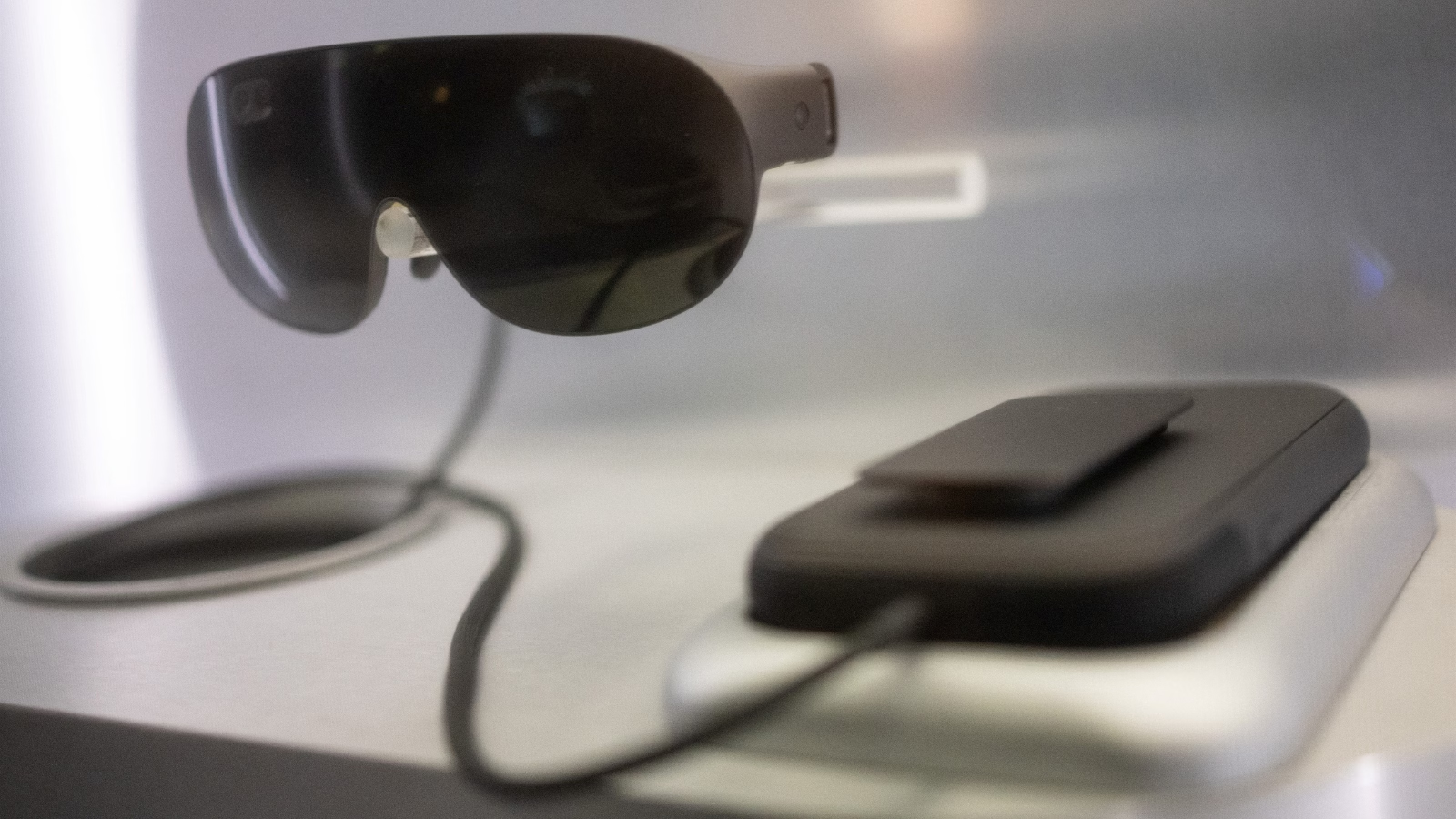
The company is also moving further into virtual reality. Its new Meta VR Glasses weigh about 100 grams and are designed to combine VR entertainment, gaming, work, and communication in a glasses-style device. Meta plans to launch them in spring 2027 for $1,299.99.
Meta Expands Its Glasses Strategy
Meta has been investing heavily in wearable technology. Its earlier Ray-Ban Meta smart glasses combined a normal-looking glasses design with cameras, speakers, microphones, and Meta AI.
The company is now expanding that idea into several product types.
Some new glasses focus on audio and AI. Others add displays and advanced computing. Meta is also preparing a dedicated VR glasses product for people who want immersive entertainment and a larger virtual workspace.
This means customers will have more choices based on how they want to use wearable technology.
Meta says its goal is to build AI glasses for a wider range of users. The company is working with EssilorLuxottica across brands including Ray-Ban and Oakley, while also developing its own Meta Glasses collection.
Ray-Ban Meta Audio Glasses Introduced
One of the biggest announcements is Ray-Ban Meta Audio, which Meta describes as its first audio-focused glasses.
Unlike camera-equipped smart glasses, this model does not need a camera. Instead, it focuses on features such as music, podcasts, phone calls and voice interaction with Meta AI.
The design is also lighter and slimmer than previous AI glasses, according to Meta.
Users can listen to audio while still staying aware of their surroundings. They can also talk to Meta AI without taking out their phone.
This approach gives Meta a way to reach people who may want smart features but do not want a camera built into their glasses.
Why Camera-Free Glasses Matter
Cameras have been one of the biggest privacy concerns around smart glasses.
A camera-free design removes one important concern because the glasses cannot capture photos or video.
The new Ray-Ban Meta Audio glasses therefore focus on audio, calls, and AI rather than visual recording.
This could make the product more suitable for people who want wearable technology in social situations where camera-equipped glasses may raise privacy questions.
Ray-Ban Meta Gen 3 Gets an Upgrade
Meta also introduced the next generation of its Ray-Ban Meta smart glasses.
The Ray-Ban Meta Gen 3 keeps the basic smart-glasses concept but adds improvements to design, battery life and controls.
Meta says the new glasses have a slimmer and more comfortable design. The company has also added a customizable action button that gives users faster access to Meta AI.
The updated glasses remain part of Meta’s broader AI strategy.
Instead of using the glasses only for photos or music, Meta wants users to communicate with an AI assistant throughout the day.
Meta Brings Muse AI to Smart Glasses
AI is a major part of Meta’s latest glasses strategy.
The company is bringing Muse, its personal AI agent, to AI glasses. Users can interact with Muse hands-free and use it for tasks, information, and planning.
Meta says Muse can help users turn long-term goals into action plans and take tasks off their plate. The company is also adding integrations with services such as Walmart, Best Buy, American Eagle Outfitters, DICK’S Sporting Goods, Fanatics, Gap, Michael Kors, Sephora, Ulta and Wayfair.
Other announced integrations include Shop Pay and PayPal for payments, Expedia for travel planning, Instacart for shopping, and Notion, Granola, GitHub, and Box for work-related tasks.
These integrations are designed to make the AI assistant more useful outside a traditional chatbot.
More Than 100 AI Glasses Styles
Meta is also expanding the number of available designs.
The company says it expects to offer more than 100 AI glasses options across Ray-Ban, Oakley and Meta Glasses by the end of 2026.
The lineup includes different frame shapes, colors and designs.
Meta also wants to make smart glasses more personal. The company announced new collections and collaborations, including Meta Glasses designed with international music star LISA.
It also announced new color options and styles across its existing glasses range.
This strategy gives users more choices instead of forcing them into one standard smart-glasses design.
Meta Glasses Start at $299
Meta’s own Meta Glasses are another important part of the new lineup.
The company introduced the Meta Glasses range earlier in 2026 through its partnership with EssilorLuxottica. The glasses support prescription lenses and launched with 26 styles across different colors, lenses, and frames.
Meta announced a starting price of $299 for the collection.
These glasses are designed to combine a familiar eyewear design with AI features.
They also launched with Meta AI powered by Muse Spark, giving users access to AI features from the beginning.
Meta VR Glasses Take a Different Approach
While Meta’s AI glasses focus on everyday use, the new Meta VR Glasses target immersive computing.
Meta says the device weighs around 100 grams, which is roughly the weight of a deck of cards. That makes it much lighter than traditional VR headsets.
The glasses use a separate computing and battery unit, known as a puck. An optical cable connects the glasses to the puck.
This design allows Meta to move some of the heavier components away from the user’s head.
Meta says the VR glasses are five times lighter than the Meta Quest 3.
5K Display for Virtual Reality
The Meta VR Glasses feature a 5K Infinite Display using micro-OLED panels.
Meta says the display provides 37 pixels per degree and is designed to improve clarity, including for text.
The device also uses compact pancake lenses and supports Dolby Vision for compatible content.
Dolby Atmos spatial audio is integrated into the glasses as well.
The combination of high-resolution displays and spatial audio is aimed at making the glasses useful for movies, games and work.
Meta VR Glasses Can Become a Private Cinema
Meta is positioning the new VR glasses as a personal entertainment device.
The company says the glasses are the first IMAX Enhanced certified VR device.
Meta also announced plans to stream 3D movies through Disney+ in select countries. The service is expected to offer movies such as The Avengers and Black Panther in 3D from November.
Users can also experience virtual environments designed around entertainment franchises.
This means the glasses are not limited to traditional VR games. Meta wants them to become a personal screen for movies and other entertainment.
Gaming Comes to Meta VR Glasses
Gaming is another major part of the device.
Meta says more than 75 games will be available at launch that can be played using hand gestures without traditional controllers.
The company also plans support for Xbox Cloud Gaming, giving users access to hundreds of additional games through cloud streaming.
The device uses Qualcomm’s Snapdragon Reality Elite processor.
Meta says the processor helps deliver high performance while keeping the system compact.
A Virtual Workspace in Your Glasses
Meta also wants the VR glasses to work as a productivity tool.
Users can create a multi-screen workspace and work without carrying several physical monitors.
One unusual feature lets a flat surface become a virtual keyboard and touchpad.
This could make the device useful for people who travel frequently or work in places where carrying a large monitor setup is difficult.
Meta says users can work privately on a flight while still maintaining awareness of the surrounding environment.
Hands-Free AI and Gesture Controls
Meta is also moving away from traditional controllers.
The VR glasses include Meta AI directly in the operating system.
Users can talk to the glasses or use eye movement and hand gestures to perform actions such as opening apps, playing content or changing the workspace.
This approach could make VR interaction feel more natural.
Instead of holding two controllers, users can use their hands and voice.
However, the experience will depend on how accurately the system tracks gestures, understands voice commands and responds to different environments.
Hologram Video Calls
Meta has also introduced a hologram feature for video calls.
The system can create a photorealistic digital version of the user. Meta says the hologram can reproduce real-time facial expressions and reactions.
The hologram appears in front of another person when viewed through Meta VR Glasses. Spatial audio can also place the other person’s voice in the virtual space.
The feature is designed to work with calling services including WhatsApp and Zoom.
This is one of Meta’s more ambitious attempts to make video calls feel more like being in the same room.
Meta Is Expanding AI Glasses for Different Users
The new lineup shows that Meta is not treating smart glasses as one single product category.
Different products serve different needs.
Ray-Ban Meta Audio focuses on music, calls, and AI without a camera.
Ray-Ban Meta Gen 3 combines cameras, audio and AI in a more advanced everyday smart-glasses package.
Meta Glasses offer another range of styles and prescription options.
Meta VR Glasses target immersive entertainment, gaming, work and communication.
This wider product strategy allows Meta to target people with very different expectations.
Privacy Remains an Important Issue
The growth of AI glasses also brings privacy questions.
Camera-equipped glasses can potentially capture people, places, and conversations in everyday situations.
Meta’s introduction of camera-free Ray-Ban Meta Audio provides one response to that concern, although it does not remove all privacy issues connected with microphones and AI assistants.
Meta has also faced broader public scrutiny around wearable technology and recording. Reuters reported that the company continues to expand its hardware strategy while privacy concerns remain part of the discussion around smart glasses.
For consumers, it remains important to understand what sensors a device has, what data it collects and how its privacy controls work before using it in public.
Meta’s Glasses Strategy Is Moving Beyond Smartphones
Meta’s latest announcements show a clear shift toward wearable computing.
The company is building glasses that can play music, answer questions, take calls, provide directions, assist with shopping and work, and display virtual content.
At the same time, Meta is working on VR glasses that can replace some traditional screens for entertainment and productivity.
The company is therefore treating glasses as more than accessories.
Meta wants them to become a new way to interact with AI and digital content while keeping users connected to their physical surroundings.
What Meta’s New Glasses Lineup Means
Meta’s latest hardware announcements show how quickly the smart-glasses market is changing.
The company is expanding from camera-equipped Ray-Ban smart glasses into camera-free audio glasses, more affordable Meta Glasses, new fashion-focused designs and a much more advanced VR glasses platform.
AI is at the center of this expansion. Meta wants Muse to become an everyday assistant that users can access without reaching for a phone.
At the same time, Meta VR Glasses aim to make virtual reality lighter and more practical for entertainment, gaming and work.
The products are still at different stages. Some glasses are already part of Meta’s expanding lineup, while the Meta VR Glasses are planned for spring 2027.
For consumers, the most important change is the growing range of choices. Instead of one type of smart glasses, Meta is building a family of devices designed around different needs, from simple audio and AI assistance to full virtual reality experiences.