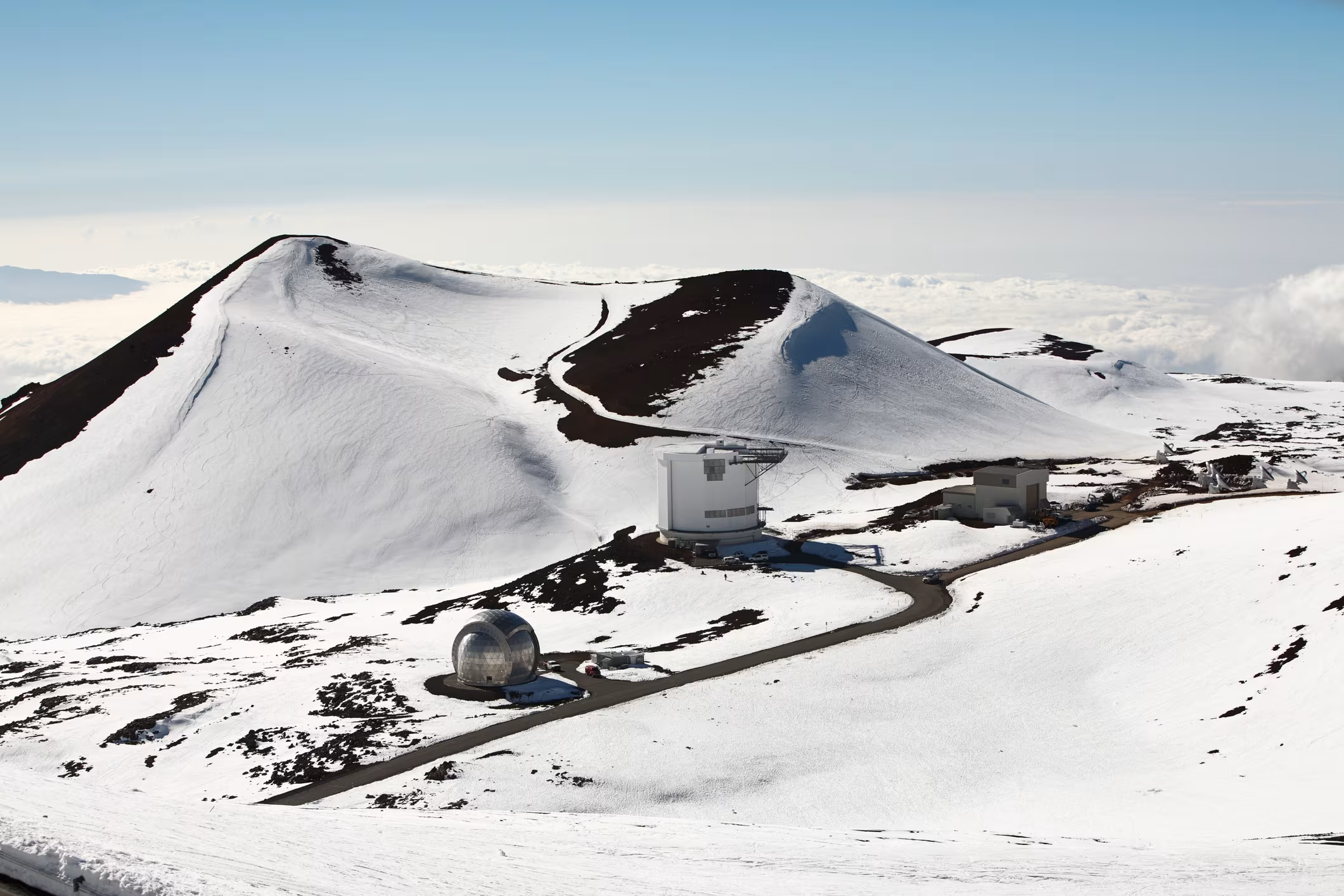
Snow in Hawaii, Big Island, Mauna Kea Loa, sounds unbelievable to many people because Hawaii is usually linked with sunshine, beaches, and warm ocean breezes. However, nature surprised everyone when heavy snow covered the highest mountains of the Big Island. This unusual winter weather became a major talking point and helped people understand how diverse and complex weather patterns can be, even in tropical regions.
Why Snow in a Tropical Place Like Hawaii
Hawaii has a tropical climate near sea level, but the story changes completely as elevation increases. The Big Island is home to two of the tallest mountains on Earth when measured from the ocean floor — Mauna Kea and Mauna Loa. Their summits rise more than 13,000 feet above sea level. At such heights, temperatures drop sharply, especially during the winter months. When cold air combines with moisture from passing storms, snow becomes possible.
A good example of this is how people can enjoy warm rain along the coast, while just a few hours away, the mountain peaks experience freezing temperatures. This difference happens because air cools as it rises, and the higher you go, the colder it becomes.
Snow in Hawaii, Big Island, Mauna Kea, Loa Winter, and the Role of Kona Storms
Snow in Hawaii, Big Island, Mauna Ke, a Loa Winter Explained by Kona Low Pressure Systems
The snowfall during this winter event was caused by a weather system known as a Kona low. A Kona low is a powerful low-pressure storm that forms near the Hawaiian Islands and pulls in moist air from the south. When this moist air rises the slopes of Mauna Kea and Mauna Loa, it cools rapidly, leading to snow instead of rain at higher elevations.
During this event, weather officials issued winter storm warnings because the storm brought not only snow but also strong winds and icy conditions. These conditions made travel to the summit extremely dangerous. For example, roads leading to observatories at the top of Mauna Kea were closed to protect both residents and visitors.
How Much Snow Fell and Why It Was Dangerous
This winter storm produced several inches of snow at the highest elevations, along with freezing fog and gusty winds. While snow itself is beautiful, it can quickly become dangerous when combined with high winds. Snowdrifts can form, visibility can drop suddenly, and roads can turn icy within minutes.
To understand this better, imagine driving up a mountain road that suddenly becomes slippery with ice while thick fog blocks your view. That is why authorities strongly advised people to stay away from the summit areas during the storm.
Is Snow in Hawaii Really That Rare?
Many people think snow in Hawaii happens once in a lifetime, but that is not true. Snowfall on Mauna Kea and Mauna Loa occurs almost every year during winter. What makes events like this special is the amount of snow and the intensity of the storm.
In some years, light snow dusts the peaks and melts quickly. In stronger storms, snow can pile up deeply enough to look similar to winter scenes in mainland mountain regions. There have even been rare occasions when snow has fallen during summer months, proving how powerful elevation and weather systems can be.
What This Event Teaches Us About Weather and Climate
This rare winter storm reminds us that climate is not just about location but also about geography and altitude. Hawaii shows us that warm oceans and tropical beaches can exist alongside freezing mountain summits. It is a powerful example of how diverse Earth’s weather systems really are.
For people who follow weather news, this event is also a reminder of why forecasts and warnings matter. Unexpected weather can occur anywhere, and being informed helps people stay safe while also appreciating the science behind these natural events.