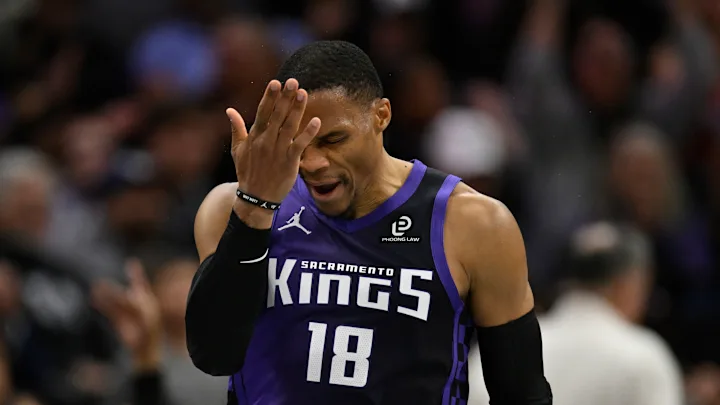
The Knicks at Kings on January 14, 2026, was a game that perfectly explained why NBA fans stay glued to their screens until the final buzzer. It was not just about points and possessions, but about pressure, injuries, coaching decisions, and how teams respond when plans suddenly change. This matchup gave viewers a deeper understanding of how professional basketball works beyond the highlights.
Pre-Game Expectations and Team Mindset
Before the game tipped off, both teams came in with very different motivations. The New York Knicks were having a strong season and were trying to prove they could win consistently on the road. Road games are always challenging in the NBA because the crowd energy, travel fatigue, and unfamiliar surroundings can affect even experienced players. For the Sacramento Kings, this game was about pride and rebuilding confidence during a difficult season. Playing at home gave them hope that they could surprise a stronger opponent.
This matchup was also emotionally charged because Knicks head coach Mike Brown was facing his former team. Situations like this often add an extra layer of intensity, as coaches know the strengths and weaknesses of their old rosters. For fans, it made the game more personal and exciting to watch.
How the Game Started and Early Momentum
The opening minutes showed exactly what both teams wanted to achieve. The Knicks focused on ball movement and disciplined defense, trying to control the pace of the game. The Kings, meanwhile, looked aggressive and energetic, feeding off the home crowd and pushing the tempo whenever possible. Early momentum in basketball is important because it sets the emotional tone, even if it doesn’t decide the final result.
However, basketball games rarely go exactly as planned. Just when the Knicks seemed comfortable, the flow of the game shifted dramatically due to an unexpected injury.
Injury Impact and Mid-Game Adjustments
One of the biggest turning points of the night came when Jalen Brunson exited the game with an ankle injury. Losing a key player like Brunson changes everything. He is not only a scorer but also someone who controls the rhythm of the offense. When a player like that leaves, teammates must immediately adapt, often taking on roles they are not used to.
This moment was a powerful example for fans learning the game. It showed how important depth and preparation are in the NBA. The Knicks had to rely on teamwork, passing, and smart shot selection instead of depending on one star. Coaches had to adjust rotations, and players had to communicate more on the court. These in-game adjustments are often invisible to casual viewers, but they are critical to staying competitive.
Sacramento Kings’ Fight Despite Challenges
The Kings were also dealing with their own problems, including missing key players due to injuries. This forced them to depend heavily on experienced veterans. Players like DeMar DeRozan and Malik Monk had to step up and take responsibility, especially in scoring situations. This is where leadership becomes essential. Veteran players understand how to stay calm and guide younger teammates during tough moments.
For fans, this was a clear example of how every NBA roster is built with balance in mind. Star players attract attention, but role players and veterans often decide how well a team survives adversity. The Kings’ effort showed that even during a rough season, individual games can still be competitive and meaningful.
The Role of Fans and Live Reactions
Another interesting aspect of this game was how fans engaged with it in real time. Online discussions, live reactions, and social media conversations added to the excitement. Many fans shared opinions about coaching decisions, refereeing calls, and player performances while the game was still ongoing. This real-time engagement makes modern NBA games more interactive and emotional than ever before.
For new basketball fans, this shows that watching a game is no longer a solo experience. It has become a shared event where fans from different places connect over the same moments, celebrating big plays and debating controversial calls together.
What This Game Teaches Basketball Fans
This matchup offered several important lessons. It showed how injuries can instantly change a game, how teams must adapt under pressure, and how leadership matters during difficult stretches. It also highlighted that basketball is not just about winning or losing, but about problem-solving, teamwork, and resilience.
Games like this help fans understand why coaches emphasize fundamentals and preparation so much. When things go wrong, the teams that stay organized and mentally strong usually perform better.
Looking Ahead After the Match
After the final buzzer, both teams walked away with valuable experiences. The Knicks gained insight into how well they could handle adversity without a key player. The Kings, despite the result, showed effort and fight that can be built upon in future games. Over a long NBA season, moments like these often shape how teams grow and improve.
In the bigger picture, this game reminded everyone why the NBA is so captivating. Every night brings new stories, unexpected heroes, and lessons that go beyond the box score. For fans who watched closely, this was not just another regular-season game, but a deeper look into the true nature of professional basketball.