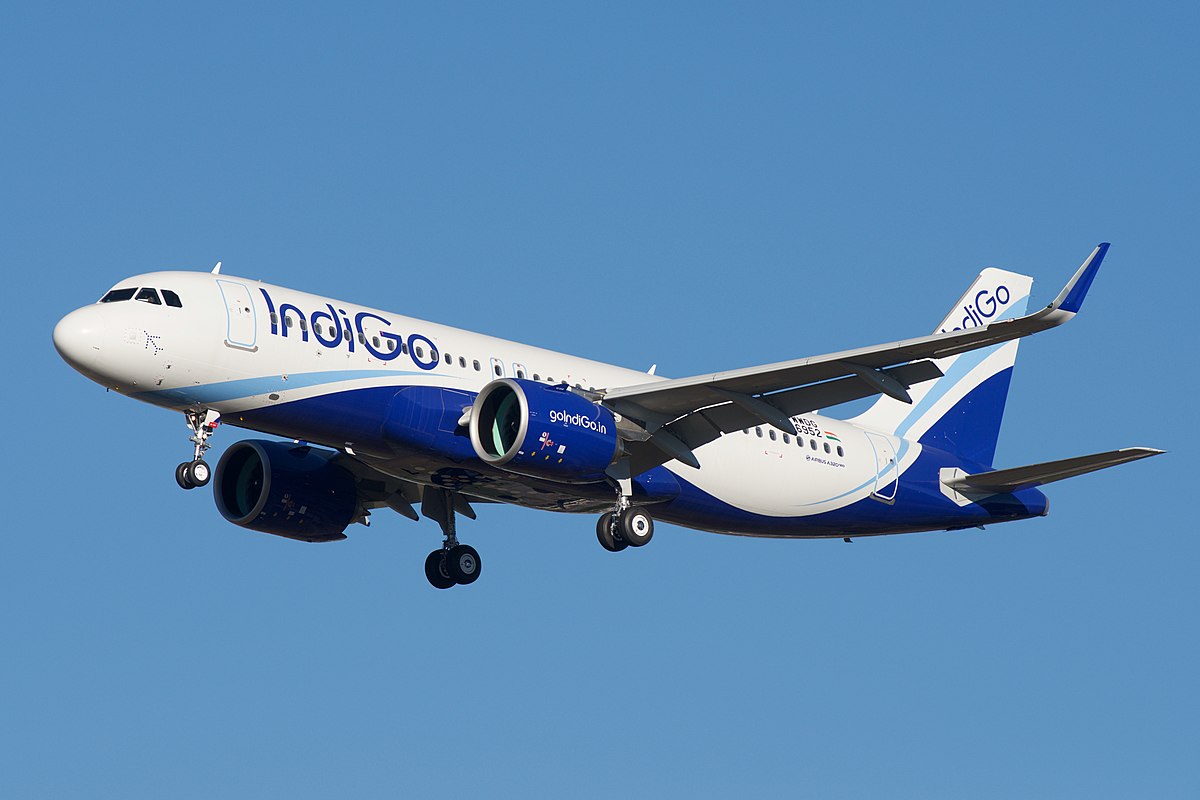
IndiGo flight cancellations have triggered widespread disruption nationwide, and as a traveler, it’s important to understand what’s going on — not just to vent frustration, but to know your rights, what to expect, and how to plan better. In this post, I break down the recent crisis at IndiGo, explain why flights are being cancelled, and what you should keep in mind when booking or travelling next.
What’s happening with IndiGo — sudden cancellations and delays
Recently, IndiGo cancelled or delayed more than 200 flights across major Indian airports over a span of just a few days. The disruption has left thousands of passengers stranded — long waits at airport counters, last-minute cancellations, confusion over schedules, and alternate flights.
In November alone, the airline cancelled a staggering 1,232 flights, according to data from DGCA (the aviation regulator). The sudden collapse in schedule performance has gutted what many considered the airline’s key strength — punctuality.
Why are so many IndiGo flights being cancelled or delayed?
One of the main reasons behind the chaos is a severe shortage of pilots and cabin crew. This predicament emerged after new rules on duty hours — the Flight Duty Time Limitations (FDTL) — came into force on November 1. These regulations restrict how long crew members can fly per day, per week, and per month, and mandate minimum rest periods to avoid fatigue.
Because of these tighter limits, many crew members who previously covered multiple flights in a day became unavailable, and reserve staff could not always be rostered timely manner. As a result, flights on certain routes simply had to be cancelled.
But crew shortage isn’t the only culprit. Technical glitches at airports, system failures during check-in or boarding, winter-season congestion at busy airports, and adverse weather are also contributing factors, all compounding to create a cascade of delays and cancellations.
Also, the very scale of IndiGo works against it in times like these. Operating over 2,200 flights daily means a single disruption — for example, one delayed flight — can ripple across its network and throw off multiple subsequent rotations.
What the critics are saying — and what crew representatives allege
A major pilots’ association, the Federation of Indian Pilots (FIP), has openly criticised IndiGo’s management practices. They argue that the airline’s lean manpower strategy, hiring freeze, and poor planning are at the root of the problem — not just the new FDTL rules. According to them, crew morale has dipped after refusals of leaves, while at the same time, the airline expanded flights (especially seasonal/night-time operations) without ensuring sufficient crew strength.
FIP has called on DGCA to take a serious look at slot allocation and ensure airlines have adequate pilots before scheduling flights — especially during peak/fog season or high-traffic periods.
What this means for travellers — and what you should do
For those planning to fly soon, this disruption acts as an important warning. If you are booking with IndiGo, it’s wise to factor in extra time and not assume that your flight will run on time. If possible, avoid tight layovers or early-morning flights during this chaotic period. There’s a real chance your flight could be delayed or even cancelled last minute.
Also, monitor your flight status regularly — airlines like IndiGo are reportedly making “calibrated adjustments” to stabilize operations in the next few days. If your flight gets cancelled, check with the airline about rebooking or refund options — you might get alternate flights or compensation, depending on availability and regulations.
And finally, this crisis shows why flight-crew welfare and realistic scheduling matter a lot. While fatigue-related rules like FDTL are essential for safety for both aircrew and passengers, airlines also need to invest in manpower, better planning, and more flexible rostering to handle peak traffic. Without that, safety-first rules may still end up disrupting service badly.
Why “IndiGo flight cancellations” matters — and what we learn
The current mess tells us a few bigger truths. For one, even top-ranked airlines are vulnerable when policies change, and scaling grows rapidly. Secondly, it reminds us that safety regulations — like those limiting duty time — are necessary, but only work if airlines plan realistically for their workforce. Third, as a traveler, it shows the importance of checking flight status, building buffer time in your plans, and having backup options.
Above all, this situation with IndiGo underscores how delicate airline operations are. It’s not just about planes and tickets — it’s about people (pilots, crew), regulation, scheduling, technology, and a whole ecosystem working together. Even a small break in one link can shake the entire system — and we, the passengers, feel it