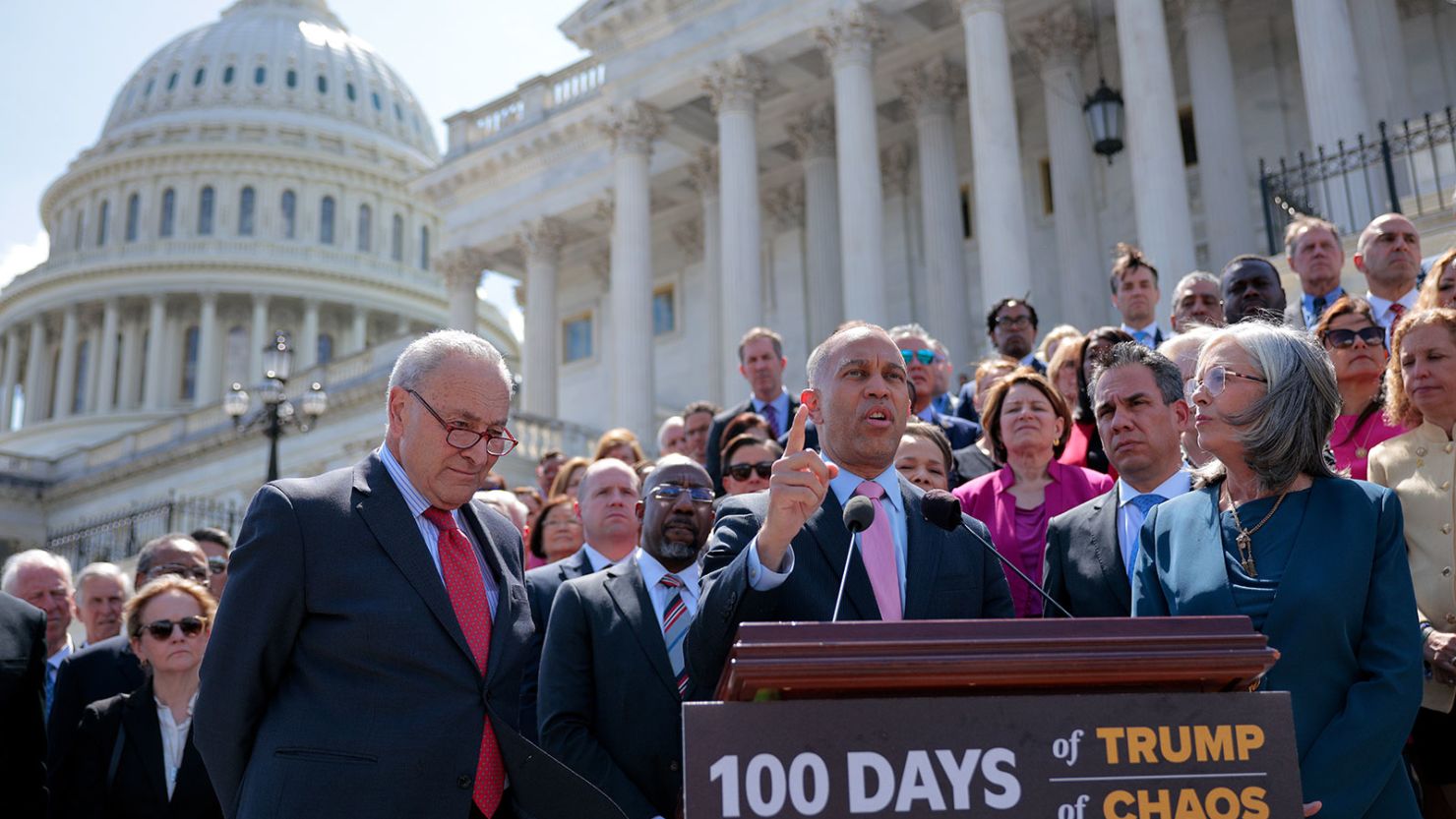
Democrats’ House Control has become a central topic in American politics, especially as discussions grow around future midterm elections and President Donald Trump’s leadership. Many people hear this phrase on news channels or social media, but are not always sure what it truly means or why it is important. In simple terms, it refers to Democrats winning enough seats in the U.S. House of Representatives to become the majority party. This majority gives them the ability to influence laws, government spending, and oversight of the president.
The U.S. House of Representatives is one of the most powerful institutions in the country. It helps decide how tax money is spent, what laws are passed, and whether the president’s actions are questioned. When one party controls the House and another controls the White House, it often leads to political tension, debate, and sometimes deadlock. However, this tension is also part of the American system of checks and balances, which is designed to prevent too much power from resting in one place.
Why Democrats Are Focused on Winning the House
For Democrats, winning back the House is seen as a practical and realistic political goal. Even if they do not control the presidency, holding the House allows them to influence the national conversation. It gives them a platform to raise issues such as healthcare costs, inflation, education, and workers’ rights. These are topics that directly affect everyday people and often play a major role in how voters make decisions.
A simple example can explain this better. Imagine a school where the principal makes decisions, but the teachers’ committee must approve budgets and policies. Even if the principal has strong authority, the committee can question decisions, delay changes, or demand explanations. In U.S. politics, the House works similarly. Democrats believe that by controlling the House, they can act as that committee and make sure the president is held accountable.
Democrats’ House Control and Its Impact on President Trump
When Democrats talk about regaining the House during Trump’s presidency, they are not only thinking about laws. They are also thinking about oversight. House committees have the power to investigate government actions, call officials to testify, and examine how decisions are made. This can slow down controversial policies and bring transparency to areas that may otherwise remain hidden.
However, it is also important to understand the limits of this power. President Trump has often relied on executive orders and independent authority to make decisions on trade, immigration, and foreign policy. Even with Democrats controlling the House, many of these actions cannot be easily reversed. This means that while Democrats could raise questions and create political pressure, they may not be able to stop every presidential move.
An example from recent history helps explain this balance. In past administrations, opposition-controlled Houses have launched investigations that dominated headlines and shaped public opinion, even when they did not immediately change policy. These investigations influenced future elections and affected how voters viewed leadership. The same pattern could repeat if Democrats regain control.
How House Control Shapes National Policies
Control of the House also affects how national policies are funded. Every major government program, from infrastructure projects to social welfare schemes, depends on House approval. Democrats often argue that controlling the House allows them to push spending toward programs that benefit middle-class families, students, and seniors.
For instance, if economic pressure increases due to inflation, a Democratic House could propose relief measures or demand explanations from economic officials. While the president may still have final influence, these actions force important discussions into the public space. This is why many political analysts say House control is not about instant change, but about shaping long-term direction.
What This Means for Voters and Future Elections
For voters, the question of House control goes beyond party loyalty. It is about balance and representation. Some voters prefer one party to hold the presidency and another to control Congress, believing it prevents extreme decisions. Others want one party in charge to ensure faster action. Democrats understand this mixed mindset and are trying to position House control as a stabilizing force rather than a political weapon.
Winning the House could also help Democrats build momentum for future elections. It allows new leaders to gain visibility, strengthen party messaging, and connect with voters at the grassroots level. Even if short-term victories are limited, the long-term benefits can shape presidential races and policy debates for years.
The Bigger Picture of American Democracy
At its core, the debate around House control reflects how American democracy functions. Power is shared, challenged, and negotiated. Democrats pushing for House control are participating in this system, not trying to break it. Their goal is to ensure that no single leader governs without scrutiny.