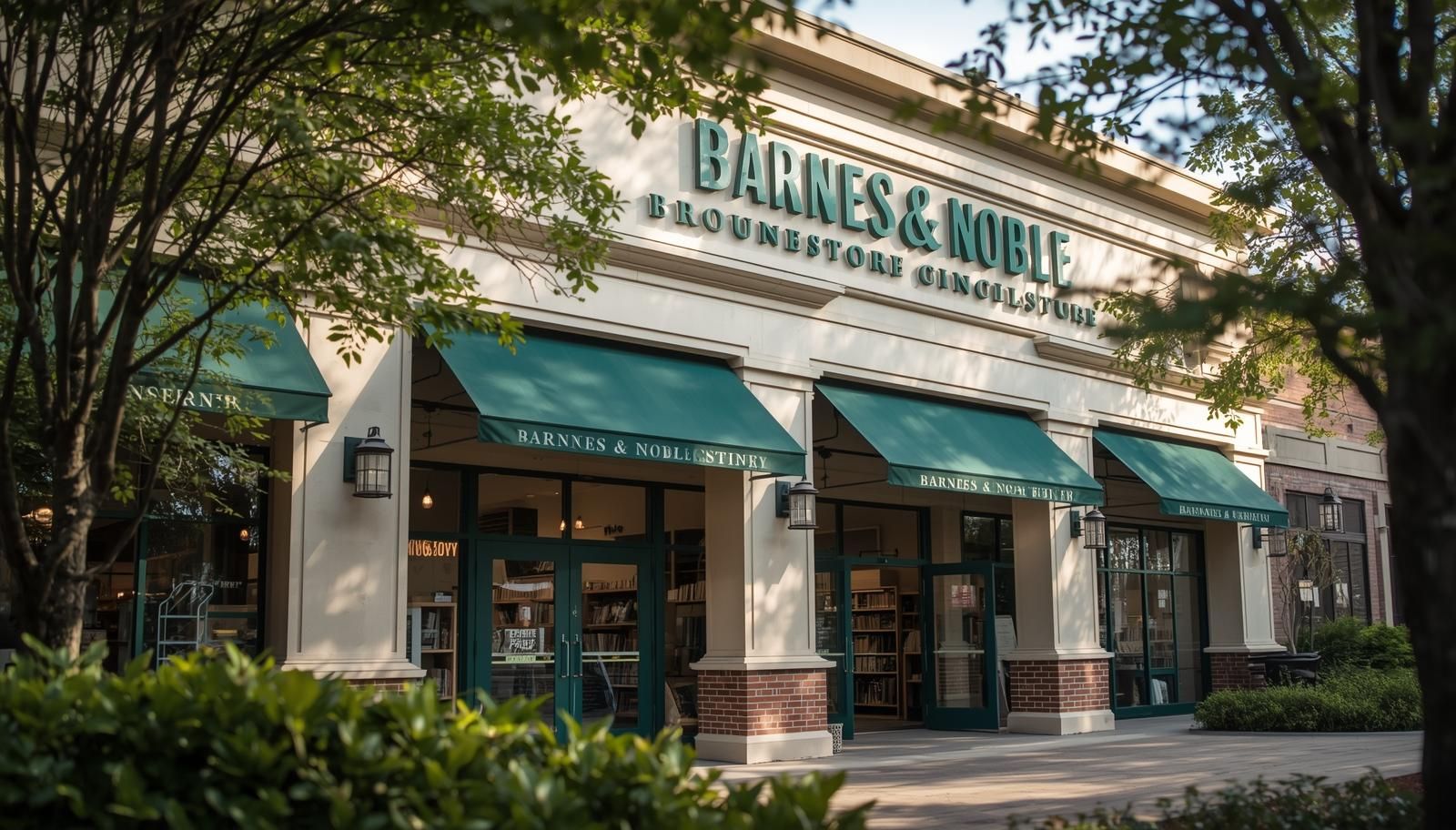
Barnes & Noble bookstores’ last day of operations has become a widely searched phrase as news spreads about certain stores closing across the United States. Many readers feel worried when they hear this because Barnes & Noble is one of the most recognizable bookstore brands in the world. However, the reality behind these closures is more balanced and less alarming than it first appears.
For decades, Barnes & Noble has been a favorite destination for students, families, and book lovers. People didn’t just go there to buy books; they went to relax, explore new ideas, and spend quiet time away from busy life. This emotional connection is why even one store closing feels like a big loss to the community.
Barnes & Noble Bookstores’ Last Day of Operations and the Real Story
The phrase Barnes & Noble bookstores’ last day of operations refers only to selected store locations. These closures are happening mainly because lease agreements are ending or rental costs have increased. In many cases, the company has tried to negotiate new terms but decided it was better to move on rather than operate at a loss.
This situation is not unique to bookstores. Shopping malls, restaurants, and even movie theaters face the same challenges. When a store cannot continue in the same space, closing becomes a business decision rather than a sign of failure. Barnes & Noble is choosing sustainability instead of holding on to locations that no longer fit its plans.
The Emotional Impact on Local Communities
When a Barnes & Noble store reaches its final day, it often feels like the end of an era for residents. Many people remember studying for exams there, attending book signings, or buying gifts for loved ones. These stores became part of daily life, especially in areas where bookstores are rare.
For example, a family might have spent every weekend visiting the same Barnes & Noble for years. When that store closes, it creates a sense of loss similar to saying goodbye to a familiar neighborhood landmark. This emotional response shows how important physical bookstores still are, even in a digital age.
How Barnes & Noble Is Adapting to Modern Reading Habits
Reading habits have changed significantly over the years. E-books, audiobooks, and online shopping have become more popular. Instead of fighting these changes, Barnes & Noble has decided to adapt. The company is focusing on fewer but better stores that provide a stronger in-person experience.
Newer Barnes & Noble locations are designed to feel warmer and more personal. They often include comfortable seating, carefully selected books, and spaces for community events. This approach helps attract readers who want more than just a quick purchase. It turns the bookstore into a destination rather than a simple retail stop.
Are New Barnes & Noble Stores Opening?
Yes, while some stores are closing, new Barnes & Noble locations are also opening in different areas. These new stores are often smaller but more thoughtfully designed. They reflect local interests and create a stronger connection with the surrounding community.
For instance, a new store might highlight local authors or host regular book clubs. This shows that Barnes & Noble is not shrinking away but reshaping itself to stay relevant. The focus is on quality experiences rather than the number of stores.
What Customers Should Expect Going Forward
Customers can still expect Barnes & Noble to remain an important part of the book industry. Even if a nearby store closes, other locations or online options continue to serve readers. In many cases, customers later discover a new or renovated store that offers an even better experience.
This transition period may feel uncertain, but it also brings opportunity. Readers may explore new locations, attend more events, and engage with books in different ways. The love for reading remains unchanged, even if the store layout or address changes.
Why Physical Bookstores Still Matter Today
Despite the rise of digital content, physical bookstores still play a key role in society. They encourage discovery, learning, and human connection. Browsing a shelf often leads to finding a book you didn’t know you needed, something online algorithms cannot always replicate.
Barnes & Noble understands this value and continues to invest in physical spaces that support reading culture. The closures are part of refining this vision, not abandoning it.