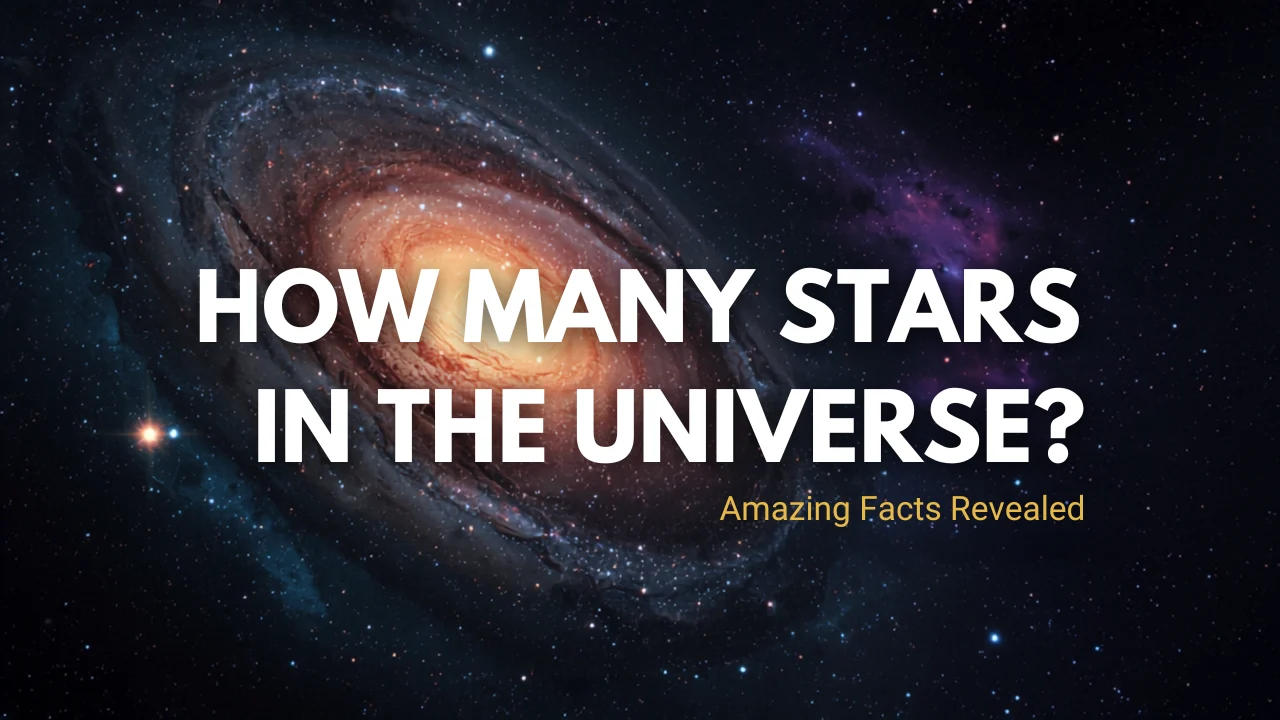
Have you ever looked up at the night sky and wondered how many stars exist in the universe? On a clear night, you can see thousands of stars with the naked eye. But what if you could count every star in every galaxy across the cosmos?
The answer is almost impossible for the human mind to comprehend. Scientists estimate that there are approximately 200 sextillion stars in the observable universe. That’s a number so large that writing it out would require 23 digits:
200,000,000,000,000,000,000,000
To put that into perspective, there are far more stars in the universe than grains of sand on all the beaches and deserts of Earth combined.
In this article, we’ll explore how astronomers estimate the number of stars in the universe, why counting them is nearly impossible, and what this incredible figure reveals about our place in the cosmos.
Can Scientists Really Count Every Star?
The short answer is no.
The universe is too vast for anyone to count every individual star. Instead, astronomers use mathematical estimates based on observations from powerful telescopes.
Scientists begin by determining:
- How many stars exist in an average galaxy?
- How many galaxies exist in the observable universe?
- How do these numbers vary across different regions of space?
Using these calculations, researchers can create a reliable estimate of the total number of stars.
While the exact number may change as discoveries are made, current estimates suggest the observable universe contains around 200 sextillion stars.
Understanding the Observable Universe
Before discussing the total number of stars, it’s important to understand what scientists mean by the term observable universe.
The observable universe includes everything whose light has had enough time to reach Earth since the universe began approximately 13.8 billion years ago.
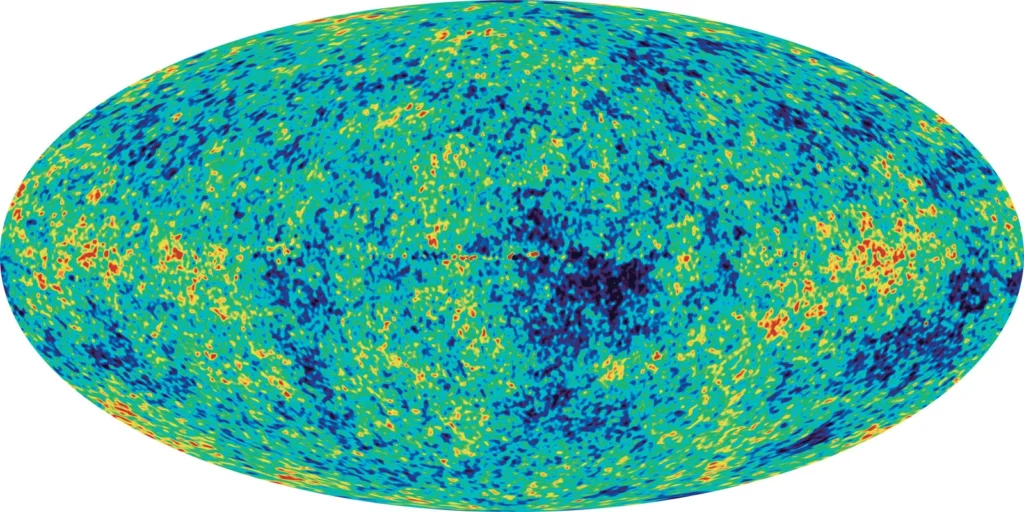
This region extends roughly:
- 46.5 billion light-years in every direction
- About 93 billion light-years across
Anything beyond this boundary remains invisible to us because its light has not yet reached Earth.
This means the actual universe may be much larger—and could contain far more stars than current estimates suggest.
How Many Stars Are in a Typical Galaxy?
Galaxies come in many sizes.
Some dwarf galaxies contain only a few million stars, while giant galaxies can hold trillions.
For example:
The Milky Way
Our home galaxy, the Milky Way, contains an estimated:
100 billion to 400 billion stars
Among these stars is our Sun, located roughly 27,000 light-years from the galactic center.
Andromeda Galaxy
The Andromeda Galaxy, the nearest large galaxy to the Milky Way, contains approximately:
1 trillion stars
That’s several times more than our own galaxy.
Because galaxies vary dramatically in size, astronomers use averages when estimating the total number of stars in the universe.
How Many Galaxies Exist in the Universe?
For many years, scientists believed the observable universe contained around 100 billion galaxies.
However, more advanced observations from space telescopes revealed that the number may be much higher.
Current estimates suggest the observable universe could contain:
Hundreds of billions to trillions of galaxies
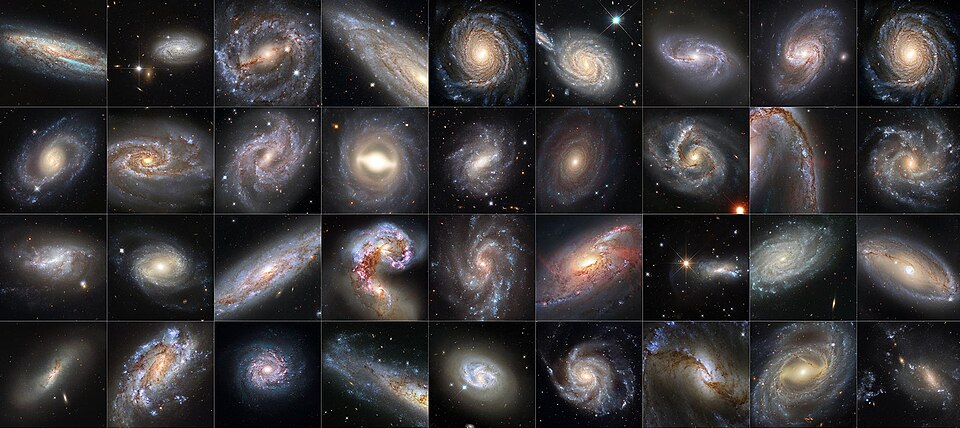
Each galaxy contains millions, billions, or even trillions of stars.
When these numbers are multiplied together, the result becomes almost unimaginable.
What Does 200 Sextillion Actually Mean?
Large numbers can be difficult to visualize.
Let’s compare 200 sextillion stars to things we can more easily understand.
Stars vs. Grains of Sand
Scientists estimate Earth contains approximately:
- 7.5 quintillion grains of sand
Meanwhile, the observable universe contains roughly:
- 200 sextillion stars
That means there are thousands of times more stars than grains of sand on every beach and desert on Earth.
Stars vs. Seconds
If you tried counting one star every second without stopping:
- One million stars would take about 12 days
- One billion stars would take over 31 years
- One trillion stars would take more than 31,000 years
To count 200 sextillion stars would take longer than the age of the universe itself.
Why Are There So Many Stars?
Stars form inside massive clouds of gas and dust known as nebulae.
Over billions of years:
- Gravity pulls gas together.
- Dense regions become hotter.
- Nuclear fusion begins.
- A new star is born.
Since the universe has existed for approximately 13.8 billion years, countless generations of stars have formed across billions of galaxies.
Even today, new stars continue to emerge in stellar nurseries throughout the cosmos.
Are There More Stars Than Planets?
Surprisingly, modern research suggests there may actually be more planets than stars.
Astronomers have discovered that many stars host planetary systems similar to our Solar System.
Some estimates indicate:
- Most stars have at least one planet.
- Many stars have multiple planets.
- The universe could contain hundreds of sextillions of planets.
This dramatically increases the possibility that life may exist elsewhere in the universe.
Could There Be Even More Stars Beyond the Observable Universe?
Absolutely.
The observable universe represents only the portion we can currently see.
Many cosmologists believe the entire universe extends far beyond our observational limits.
If this is true, then:
- The actual number of stars could be vastly larger.
- The universe may contain regions we will never observe.
- The total star count could be effectively infinite.
This remains one of the biggest unanswered questions in modern astronomy.
What the James Webb Space Telescope Is Revealing
The James Webb Space Telescope (JWST) is helping scientists observe some of the earliest galaxies ever discovered.
These observations provide valuable insights into:
- How did galaxies form?
- How have stars evolved over cosmic history?
- Whether current estimates of galaxy numbers accurate?
As technology improves, astronomers may discover that the universe contains even more stars than previously thought.
Why This Number Matters
Knowing how many stars exist isn’t just a fascinating statistic.
It helps scientists understand:
- The structure of the universe
- Galaxy formation
- The origins of planets
- The possibility of extraterrestrial life
Every star represents a potential solar system, and every solar system could host worlds unlike anything we’ve ever imagined.
The immense number of stars reminds us how vast and mysterious the universe truly is.
Scientists estimate there are approximately 200 sextillion stars in the observable universe.
The Milky Way contains between 100 billion and 400 billion stars.
Yes. The observable universe contains far more stars than all the grains of sand found on Earth’s beaches and deserts combined.
No. Astronomers use statistical estimates based on galaxy observations rather than counting individual stars.
Yes. Since we can only observe part of the universe, the actual number of stars may be significantly larger.
Conclusion
The universe is home to an estimated 200 sextillion stars, a number so enormous that it stretches the limits of human imagination. Every point of light in the night sky represents a massive celestial object, and beyond those visible stars lie billions of galaxies filled with countless more.
What’s even more astonishing is that this estimate only applies to the observable universe. The true cosmos may extend far beyond what we can currently see, potentially containing an unimaginable number of additional stars.
The next time you gaze into the night sky, remember that you’re looking at just a tiny fraction of a universe filled with more stars than there are grains of sand on Earth—a reminder of how small we are and how extraordinary the cosmos truly is.