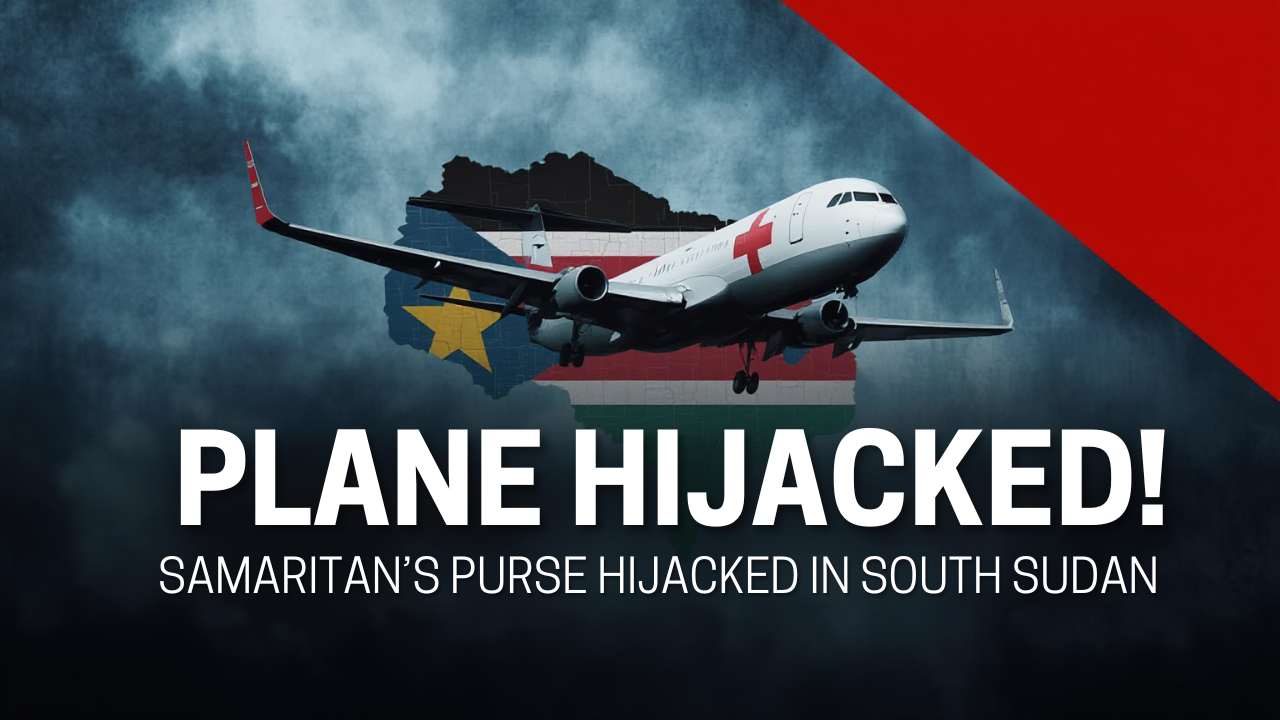
The Samaritan’s Purse plane hijacked incident occurred on December 2, 2025, in South Sudan. A small aircraft operated by the aid group Samaritan’s Purse departed from Juba carrying medicines and equipment headed for the remote area of Maiwut when an armed man emerged from the rear cabin and demanded that the plane be flown to Chad.
The pilot maneuvered the aircraft to land in the town of Wau for a “refuelling stop”, at which time local security forces arrested the hijacker. No injuries were reported.
Who is involved
- Samaritan’s Purse is a U.S.–based evangelical Christian humanitarian organisation that delivers relief around the world, including in conflict- and crisis-affected zones.
- The hijacker has been identified as Yasir Mohammed Yusuf, a resident of the disputed Abyei Area between Sudan and South Sudan.
- The aircraft was a Cessna 208B Grand Caravan (also referenced as a “Caravan”) used by Samaritan’s Purse for its mission flights.
Why it matters
Humanitarian mission at stake
The flight was delivering vital medicines for a mobile medical unit in a remote region of South Sudan — the hijack interruption highlights the risks aid organisations face in volatile areas.
Security context
The incident underscores several concerns:
- Boarding security at Juba airport appears to have been circumvented (the hijacker sneaked on board hiding in a cabin).
- South Sudan remains a challenging environment with internal conflict, weak infrastructure and disputed territories (such as the Abyei Area) that complicate aid operations.
- For U.S.–based organisations like Samaritan’s Purse, the event raises questions of safety, insurance, operational risk and impact on donor trust.
Symbolic implications
When an aid flight becomes the target of a hijacking — even one resolved safely — it sends a strong signal that humanitarian operations are not insulated from the world’s security challenges. It may influence how organisations assess, plan and communicate risk.
What we don’t yet know
- The motive of the hijacker: Why did he demand to fly the plane to Chad? Investigations are continuing.
- Whether the hijacker had any affiliations or specific demands beyond the diversion.
- How this incident might affect future missions by Samaritan’s Purse in the region: Will routes change? Will security protocols be upgraded?
What can we learn
- Organisations working in remote or unstable regions need robust security protocols — including passenger screening, access control, and contingency planning for mid-flight crisis.
- Pilots and field staff must be trained not just in logistics and relief work, but also in crisis management, de-escalation, and safe-landing decisions — as seen in this case.
- Donors and the public can appreciate that humanitarian aid comes with real operational risk; transparency about those risks helps maintain trust.
- Media and stakeholders should recognise that incidents like this are not just “dramatic headlines” but also reminders of the complexity of global aid work.
Stay alert
Even though the Samaritan’s Purse plane hijacked event ended without injuries, it’s a wake-up call: when you see a humanitarian cargo flight in a conflict zone, you’re seeing much more than just “deliveries”. You’re seeing a network of people, risks, decisions and logistics—working hard to bring help into places where help is scarce.