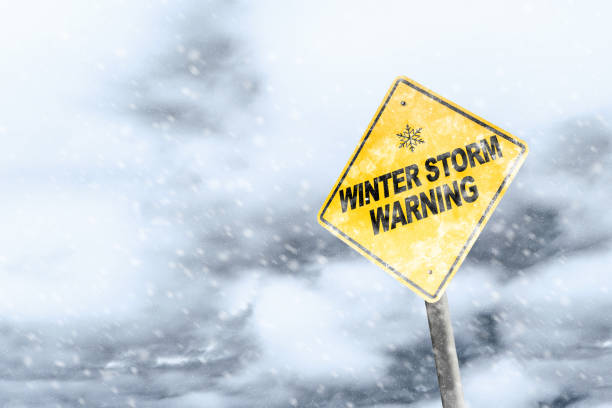
Snowfall across Michigan soared after the recent December blizzard. According to reports, some regions saw nearly three-quarters of a foot of snow. In towns like Woodville, snow reached about 9 inches. Stanton got roughly 8.5 inches, and Saranac received around 8.2 inches. For many residents, that meant a sudden blanket of snow — streets turned white, yards were covered, and quiet neighbourhoods transformed into winter scenes overnight.
People responded quickly, using an online “address search” tool to check exactly how much snow fell at their address. This helped neighbors compare snowfall side-by-side, even on the same street — a useful tool when snow doesn’t fall equally everywhere.
This latest snowfall adds to a pattern: some parts of northern Michigan and the Upper Peninsula had already seen large snow totals just days earlier — in some areas, close to a foot.
Winter in Michigan is showing its teeth, and this storm is a strong reminder of how unpredictable weather can be. A calm morning can quickly become a snow day — or a scramble to clear driveways and ensure safety.
Why Snowfall Varies — The Role of Local Weather and Lake-Effect Snow
Snowfall amounts in Michigan don’t always match from place to place — even if the areas are close. A big reason for this is a weather phenomenon known as Lake‑effect snow. In simple terms, when very cold air moves across large, warmer lakes (such as the Great Lakes near Michigan), the air absorbs heat and moisture from the lake. As it rises and cools, moisture condenses into clouds and eventually falls as heavy snow.
These “snow bands” — narrow but intense zones of snowfall — can dump large amounts of snow very quickly, sometimes at rates of 2 to 3 inches per hour. Because these bands are narrow, one town might get heavy snow while a nearby town gets much less. That explains why two houses just a few miles apart can end up with completely different snow totals.
Also, wind direction, temperature difference between the lake water and the cold air overhead, and how long the cold air travels over the lake (called “fetch”) all influence how strong the snow bands will be and where exactly the snow falls.
So when you see the address-search tool showing different snow totals for nearby locations, it’s often not a mistake — it’s weather doing what weather does: being variable and unpredictable.
What Snow Like This Means for Everyday Life — Safety, Prep, and Surprise
Heavy snow affects people’s lives in many ways. For one, sudden large snowfall can make roads slippery and dangerous, especially if snow falls quickly and mixes with cold surfaces or ice. Even a few extra inches can make driving hazardous. Many residents find themselves rushing to shovel driveways or dig out their cars. For someone not expecting the snow, the morning commute or daily errands can quickly become a headache.
On the other hand, having accurate local snowfall data — via address-search tools or local weather reports — helps people prepare better. Knowing exactly how much snow fell lets you estimate how much shoveling work or snow-clearing you’ll need. It also helps when thinking about potential safety issues: heavy snow on roofs, tree branches, or power lines can cause damage, especially if it accumulates over several storms.
For families, neighbours, and communities, it’s a chance to watch out for one another — check on elderly neighbours, offer help for snow clearing, or share resources like shovels and salt grit. For many, despite the inconvenience, snow brings some magic: fresh snow on trees, quiet streets covered in white, and a feeling of seasonal change.
Preparing for Winter — How to Stay Ready and Stay Safe
With Michigan’s winters already proving active, a few simple preparations can make a big difference. First, keep tools handy — shovels, salt, grit, or sand for paths and driveways. After a snowstorm, clear sidewalks and driveways promptly; don’t wait until snow accumulates further.
Second, stay informed. Use local address-based snowfall tools or weather alerts to track exactly how much snow has fallen in your area. That way, you know whether you’re dealing with a light dusting or a heavy accumulation that needs urgent clearing.
Third, drive carefully. Even if main roads seem clear, secondary roads can remain slick or icy. Slow down, allow extra braking distance, and avoid unnecessary travel when snow or ice has freshly fallen.
Finally, check on your community. Heavy snow can be especially hard on older residents, people with mobility challenges, or anyone who lives alone. A friendly check, helping with shoveling, or offering supplies can make a big difference after a major snowstorm.
Winter’s Beauty and Its Challenges — A Balanced View
Snow — especially the kind that blankets everything overnight — has a certain magic. For many, it’s a reminder of winter’s quiet beauty: soft light reflecting off snow-covered trees, children playing, or simply the fresh, crisp air that follows a snowfall. But it also comes with real challenges: disrupted routines, hard work clearing snow, and potential dangers from cold, ice, or heavy accumulation.
The recent Michigan blizzard shows both sides. Some people probably woke up delighted to see their yards transformed; others were likely bracing themselves for a long day of shoveling, and maybe even thinking twice before venturing out.
If you live in a snow-prone region — or just somewhere with cold, unpredictable winters — it’s worth paying attention. Use tools to check snowfall at your exact address, stay alert to weather warnings, and keep lights, warm clothes, shovels, and supplies ready.