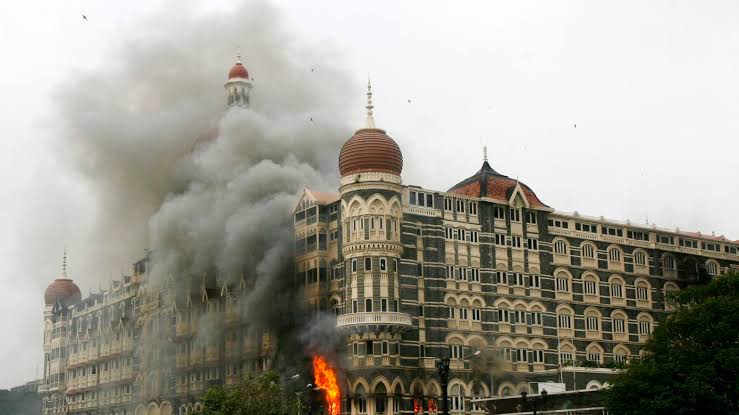
26/11 Mumbai Attack is one of the darkest days in India’s history. On 26 November 2008, Mumbai faced a terror strike that lasted for 60 long hours. It was not just an attack on a city—it was an attack on peace, unity, and humanity. Even after many years, people still remember the fear, courage, and bravery shown during those days. This blog explains what happened, why it matters, and what we must learn today.
What Happened on 26/11?
On the night of 26 November 2008, ten terrorists entered Mumbai by sea. They targeted busy and popular places like
- Chhatrapati Shivaji Terminus (CST)
- Taj Mahal Hotel
- Oberoi Trident Hotel
- Leopold Café
- Nariman House
These locations were filled with people—tourists, locals, workers, and families. The terrorists started firing, bombing, and taking hostages. Mumbai Police, NSG commandos, and brave security forces immediately rushed to control the situation. The operation lasted until 29 November.
How India Fought Back
India’s security forces showed incredible courage. Many police officers sacrificed their lives to protect others. NSG commandos carried out tough rescue missions and saved hundreds of people. Despite the fear and chaos, doctors, nurses, hotel staff, taxi drivers, and even regular citizens helped each other. This spirit of unity became the strongest answer to terrorism.
Why the 26/11 Mumbai Attack Still Matters Today
The incident reminded India that strong security, alertness, and cooperation are extremely important. It pushed the government to improve coastal security, strengthen intelligence systems, and upgrade emergency response teams. Schools, workplaces, and public places also made safety drills a regular practice.
For the youth of India, 26/11 is not just a history chapter—it is a lesson about awareness, bravery, and staying united during difficult times.
Stories of Bravery That Inspire Every Indian
Many heroes emerged during the attack.
- Policemen like Hemant Karkare, Ashok Kamte, and Vijay Salaskar fought till their last breath.
- Tukaram Omble captured Ajmal Kasab by risking his life.
- Hotel staff at the Taj protected guests even when their own lives were in danger.
These stories still inspire millions and remind us that ordinary people can show extraordinary courage.
How India Changed After the Attack
After 26/11, India introduced stronger laws against terrorism, improved coastal surveillance, and created specialized response teams. The attack also encouraged India to build better international cooperation against global terrorism. Today, improved technology, CCTV systems, and quick-response teams help keep cities safer.
A Creative Reflection: “The Lights That Refuse to Go Out”
Even today, when people visit the Gateway of India or the Taj Hotel, they pause and remember the brave hearts who stood strong. The terrorists wanted to break the country, but instead, they brought people closer. Mumbai’s lights did not fade—they shined brighter.
This is not an ending. It is a reminder:
Fear can shake us, but unity makes us unbreakable.